
Making Jesus More Famous
As a former television director/producer, I’ve wanted to attend the National Religious Broadcasters Conference (NRB) for years. Various seasons and reasons, however, had impeded that goal, and by 2026, life as a media professional was far behind me. I was now a retiree, a Christian author who had self-published several books. Most recently, I’d published a memoir called Sacred Sight: Finding Hope Through Heartache about how God answered my daughter’s prayer to become a missionary nurse, not despite her blindness but because of it.
Attending NRB
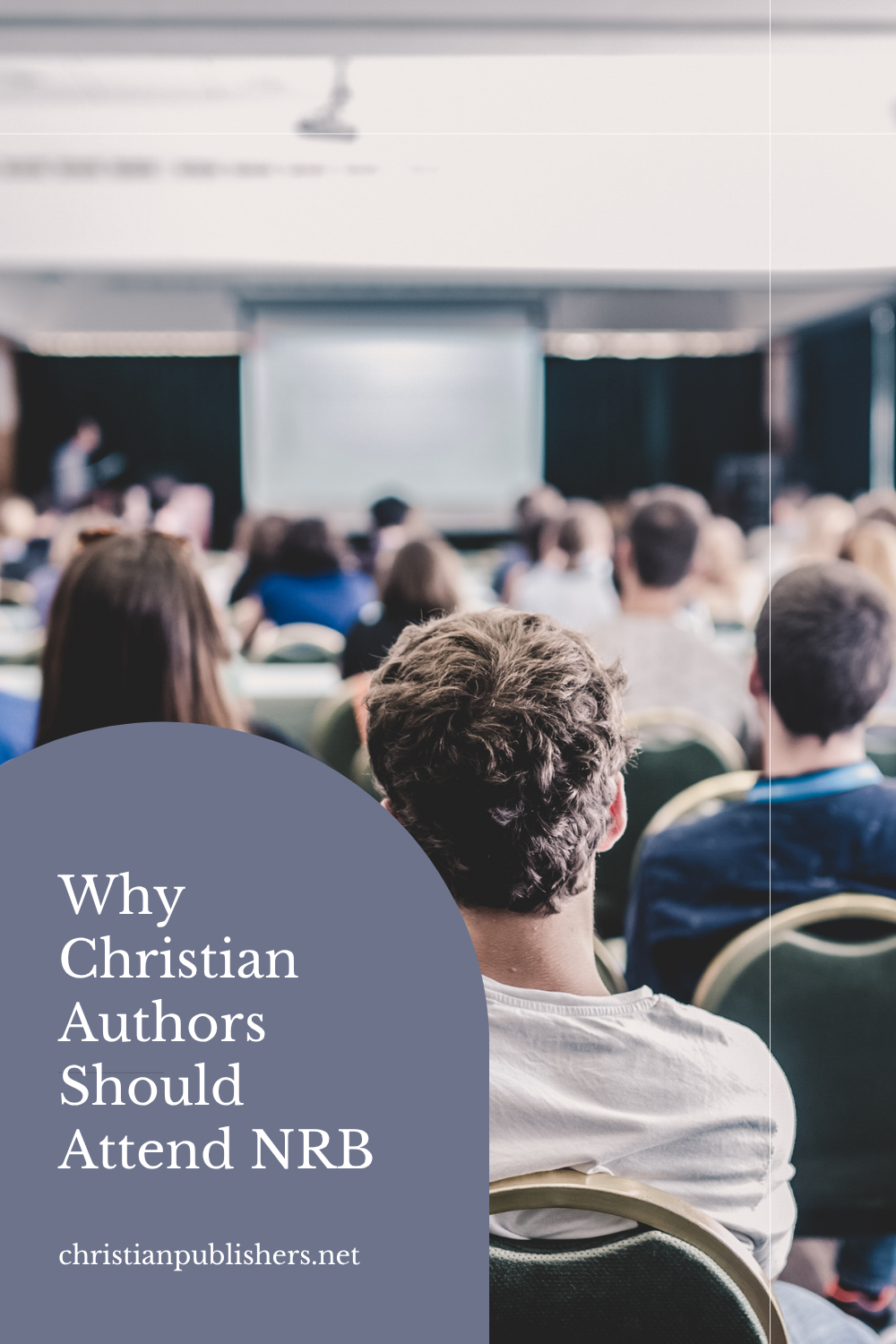
When I first heard about the opportunity to attend the NRB through the Christian Indie Publishing Association, I was intrigued. Attend the world’s largest gathering of Christian communicators and media professionals? Little-old-self-published me? Join a conference with the likes of Jack Hibbs and Shannon Bream and over 5,500 Christian communicators from all around the world?
I’m a bit of an introvert, and as a retiree on a limited budget, I immediately saw the value of attending the NRB with CIPA—not only financially but also relationally. For a fraction of the standard cost, I had the opportunity to meet passionate, like-minded individuals, peruse over 600 exhibits ranging from Christian financial planning services to today’s most notable evangelistic associations, sit in on a few educational and inspirational sessions, and publicize my book through media appearances and book signings. I even had the opportunity to pitch my story as a movie through the NRB pitch-a-thon.
I wasn’t sure what I was getting into, but thanks to Susan Neal’s superb pre-conference coaching and preparatory emails, plus a plethora of information and services about everything-an-author-needs-to-know-but-doesn’t-know-enough-to-ask on the CIPA/CAN website, I gained confidence and assurance that I could benefit from this experience. Before the conference, Susan and her executive assistant, Alyssa Avant, sent all attendees a list of media professionals (which was updated frequently) who were seeking interviews and looking to create content during the conference.
Interviews
Each author scrutinized the list (every couple of days) to find media that might be a match for the book or topic he was pitching. We were told to make a direct pitch to the Christian media outlet or content producer and follow up multiple times. This tip resulted in my getting five interviews for podcasts, radio programs, television shows, and magazine interviews during the conference and just as many afterwards.
These interviews resulted not only in publicity for my book but also in wonderful new relationships. To increase the chances of getting last-minute interviews, each author placed approximately ten media kits in the press room in an upright document holder on the first day of the conference. I had my media kit professionally designed by a service offered on the CIPA/CAN website for a small fee and was delighted with the result. Susan’s tip about displaying the media kit in an upright holder set our information apart. Additionally, each CIPA/CAN attendee was given at least two opportunities for book signings at the CIPA/CAN booth in the exhibit hall. Susan suggested we develop a 20-second spiel about our book so we could capture potential readers as they passed by the booth—and not only did that work in securing readers, it led to wonderful conversations. Additionally, I participated in an “official NRB book signing,” which was listed in the NRB program and led to increased visibility.
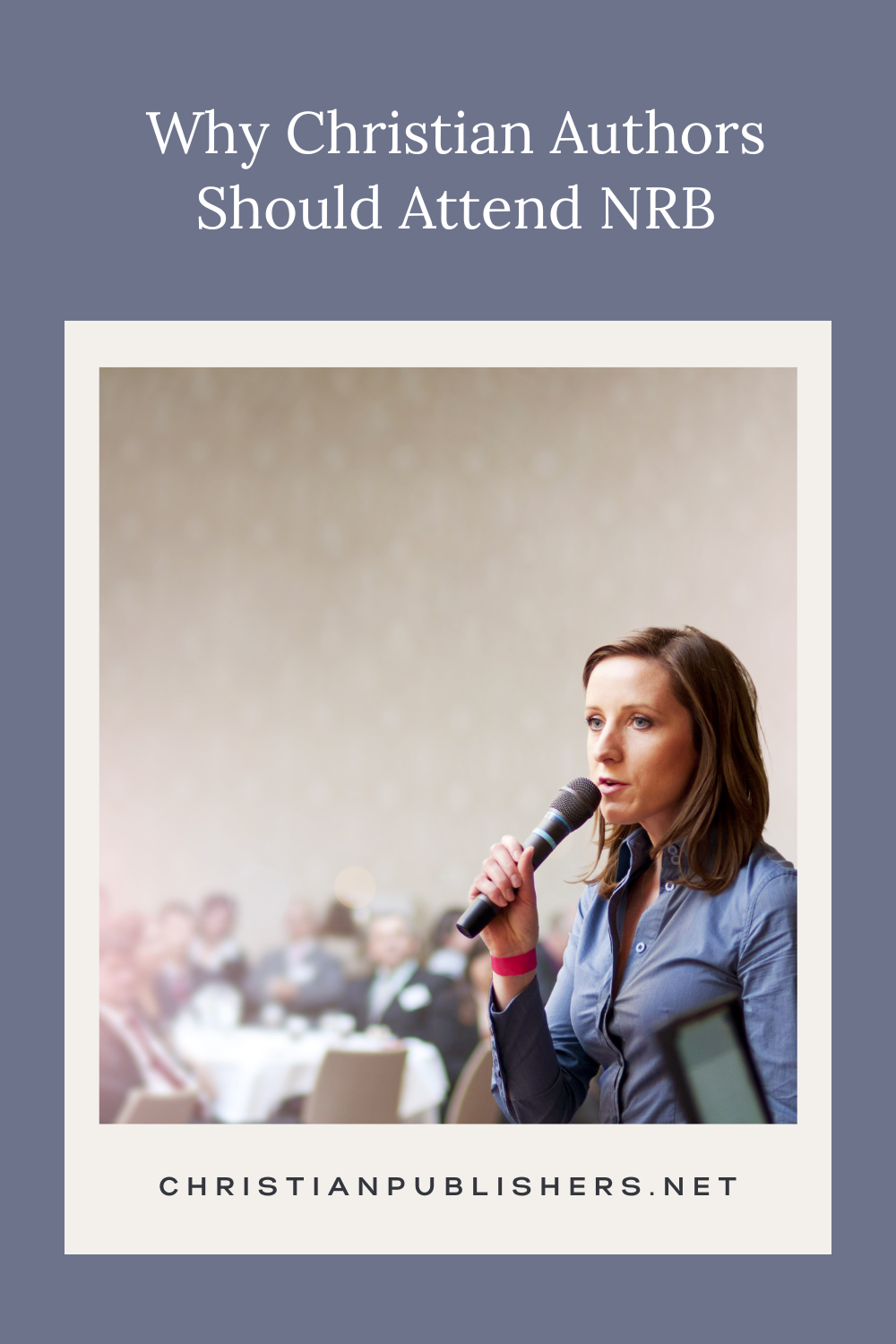
As mentioned above, I had the unique opportunity to pitch the storyline of Sacred Sight to movie producers at the NRB pitch-a-thon. Several days after I signed up for this opportunity through the Christian Indie Publishing Association, I realized I didn’t know what I’d gotten myself into. Susan referred me to the previous year’s pitch-a-thon participants who shared valuable information with me, including the format (a three-minute pitch followed by a barrage of questions) and a plan (it’s all about the story).
In a serendipitous, only-God-can-do-that moment, one of the contacts, a former film industry professional, offered to write a screenplay (in less than a month) that allowed me to send something concrete to the movie producers who showed an interest in the project. At the time of writing this article, I’m waiting to see what the Lord does with those prospects.
While all the advice and the ensuing opportunities at the NRB were incredibly valuable, probably the most vital piece of information I received was relational and, while not exactly in these words, along the lines of Philippians 2:3-4: “Do nothing out of selfish ambition or vain conceit. Rather, in humility value others above yourselves, not looking to your own interests but each of you to the interests of others” (NIV). Susan suggested we pray for divine appointments (for ourselves as well as the other attendees) beforehand and spend time during the conference walking around the exhibit hall and finding out what others were doing for the Kingdom. If we felt there was a connection, we could share our story and our passion.
The Blessing
In my opinion, this was the highlight of the convention—meeting hundreds of individuals, each making Jesus more famous by using the gifts God has given them. Sometimes, as a Christian author, it feels a little lonely—as if you’re trying to convince everyone why your passion is valid—but in the NRB environment, with literally thousands of people embracing and enlarging the name of Jesus, I was renewed and exhilarated by the mission God has given our family.
As I alluded to at the head of this article, my daughter is a blind missionary nurse. She serves the world’s largest under-reached people in the world, people with disabilities. Most Christians find that statement surprising, but when you realize that over one billion people in the world live with disabilities and fewer than 20% have ever heard the Gospel, the idea makes sense. In America, one in five individuals is physically, intellectually, or developmentally disabled, but we don’t see that ratio in our churches.
When my daughter became blind, her church asked her to step aside from her ministry in the church, although she’d been teaching Sunday school and leading worship for years. The church leaders weren’t trying to be cruel; they just didn’t know better. Several years later, my daughter co-founded The Banquet Network, an organization that helps churches integrate people with disabilities into the life of the church. Sharing about disability ministry can be challenging because it’s usually not on a person’s radar until he or someone he loves experiences disability.
Helping Others
In fact, over 70 million Americans live with disabilities, but fewer than 15% of American churches have any sort of disability ministry. At the NRB, when I shared about my book Sacred Sight, people responded with interest in disability ministry, and it renewed my own determination in the calling God has given me.
Whether you’re considering attending the National Religious Broadcaster’s conference for the purpose of promoting your Christian book, gaining encouragement in your ministry, pitching your story as a movie, or meeting like-minded individuals, I highly recommend the experience—and I particularly suggest signing up to attend through the Christian Indie Publishing Association.
Attending the conference with a group of encouraging, like-minded Christians was exactly the reminder I needed that God has called each of us “for such a time as this” (Esther 4:14), and we can all do that by using the gifts and passions God has given us to make Jesus more famous. You can discover more information about attending the NRB with CIPA/CAN to help with your publishing journey.
About the author
Glenda Durano is the author of “Sacred Sight: Finding Hope Through Heartache,” the story of how God answered her daughter’s prayer to become a missionary nurse, not despite her disability but because of it. Her articles and devotions have appeared on numerous platforms, including CBN.com, The Upper Room, Inspiration.org, and Today’s Christian Living. Glenda is the chairperson of The Banquet Network, a non-profit that helps churches create sustainable disability ministries, tailored to each church’s unique mission and resources.