

How to Unclog Your Creativity
Finishing a writing project can take forever, especially if you have to deal with writer’s block clogging your creativity. Most authors have dealt with this problem at some point in their careers, and it can be a struggle to get out of the slump. Don’t worry! There is hope. One size doesn’t fit all in this case, but there are several ways to overcome writer’s block so that you can finish your book.
7 Ways to Free Your Creativity
When you’re in the throes of writing and you start to have that creeping feeling that you’re out of ideas or the scene comes to an end and you don’t know where you want to take it next, that is the oncoming condition of writer’s block. Some people just try to work through it. Other people give up for a while before going back to the project. Here are seven ways to get through writer’s block before it ruins a writing session.
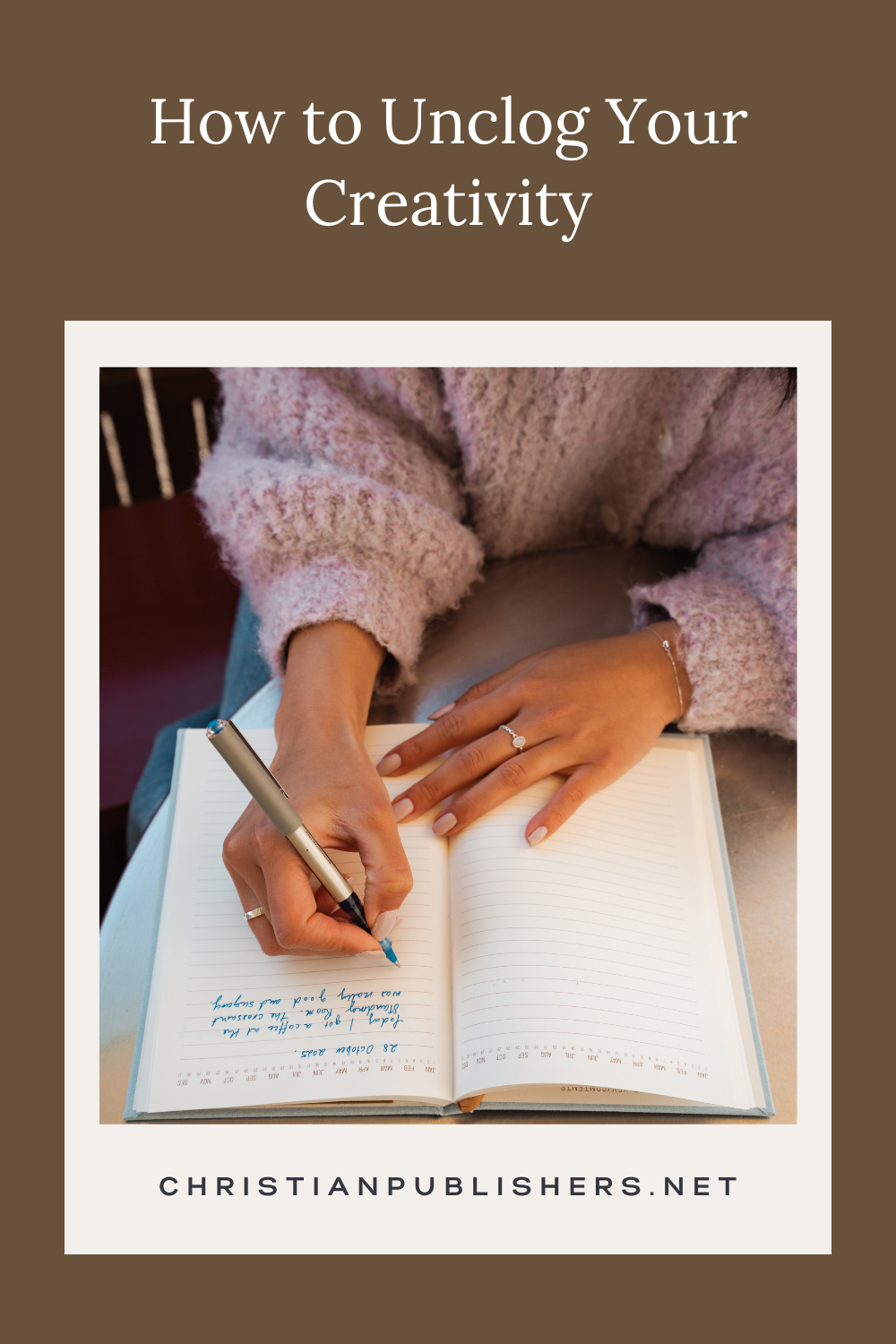
1. Start to Journal
Journaling can help by releasing your feelings and practicing your prose on a personal page. Journaling isn’t for everyone but whether it’s on your phone or physical paper, just the simple act of writing something can help.
2. Have a Plan
Having a game plan before you sit down to write is another idea if you like to be organized or are a type A kind of person. Decide beforehand what you want to get done that day and make a to-do list if you want. Breaking your project into smaller tasks can boost your productivity if you’re able to complete one thing at a time. Even if it’s just writing one paragraph, that’s something. Here are a couple examples of goals you could set:
- Writing 1,000 words a day
- Finishing a project by a certain date
- Journaling every day
3. Take a Break
Step away and take a break when a lack in creativity arises. Grab a snack, go for a walk, or even breathing deeply can help. Try to get your mind off the task for a little while and come back to it later. Some projects can feel overwhelming if you dwell on all the details, so taking time to relax before getting started can help ease the stress.
4. Open a Book
Reading other people’s books and articles can open your mind to new ideas and introduce you to other styles of writing. Reading is also a fantastic way to expand your vocabulary which can be super helpful if you get stuck trying to find just the right word for a scene.
5. Work on Something Else
Give your project space to breathe and come back to it later by working on a different project. Changing gears for twenty minutes or so can help reset your thoughts and restart creativity. When I am struggling with a large project I take breaks by writing poetry or smaller pieces, something completely different to switch things up.
6. Talk to Others
Sometimes, having a peer review group can be the best support a writer can have. They can help you see plot holes or character flaws that you never noticed. By having another person listen to your ideas and look over your piece you can greatly improve your writing, and their writing too. I recommend joining the Christian writers critique group Word Weavers at https://word-weavers.com/.
7. Perform Exercises
Exercise your writing through freewriting so the muscles don’t get blocked. If you write regularly, then you’ll keep your brain exercised and your mind sharp for whenever you need it. Writing takes time, and it can get stressful when it piles up, so practicing everyday can help to keep your skills up to par. Freewriting is an effective way to get your ideas flowing without the stress of worrying whether it sounds good.
For some other creative ideas review this blog https://christianpublishers.net/writers-block/.

Time to Write
The next time you’re at your computer ready to write and you don’t know what to put down: take a breath and try one of these tips. Nobody is perfect, even the greatest writers have drafts that will never be seen by anyone. It can take two or ninety-eight drafts before you write one that you’re proud of, and that’s okay.
You might be saying “what’s my first sentence?” “how do I introduce this person?” “what’s my transition going to be?” and really you won’t know until you put pen to paper (so to speak) and just start writing. You’re going to have bad drafts, you’re going to have good drafts, but there won’t be anything if you don’t start the process in the first place.
Author Bio
Evelyn Jordon is a senior majoring in Professional Writing at her college. Throughout her college career, Evelyn has helped with the yearbook, worked as a team leader in her occupation, and helped as a prayer leader in her residence hall. After college Evelyn hopes to continue writing independently and gaining experience. Wherever God leads, she is enthusiastic to follow.